manageyourtax.com

Tag: #HongKongProfitsTax

  • Tax Tips (23) – Transfer Pricing Documentation in Hong Kong – Are You Caught?

    Tax Tips (23) – Transfer Pricing Documentation in Hong Kong – Are You Caught?

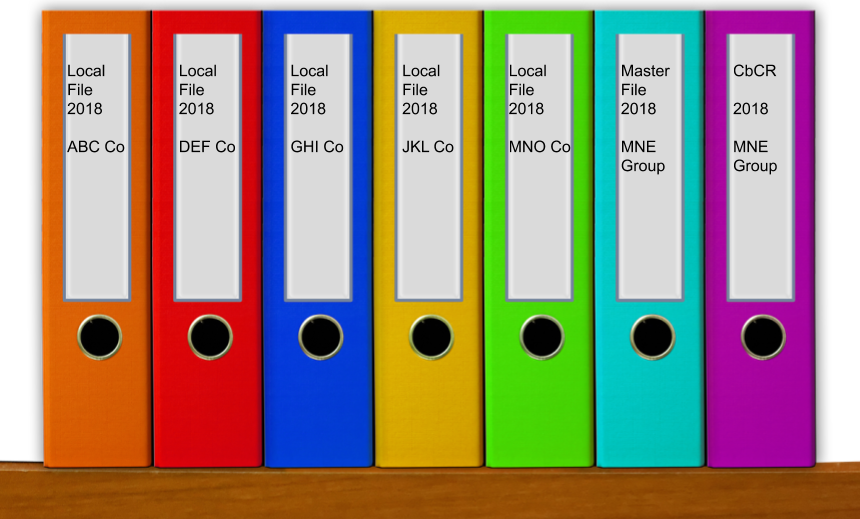
    The Inland Revenue (Amendment) (No. 6) Ordinance 2018 (the Amendment Ordinance) introduced three transfer pricing documentation (TPD) to Hong Kong (HK): the Master File (MF), the Local File (LF) and the Country-by-Country Report (CbCR) as prescribed in Action 13 of the OECD BEPS Project. Briefly, MF and CbCR contain group-wide information presented in narrative and numerative format respectively, whereas the LF contains detailed transfer pricing analysis of related party transactions (RPTs) to substantiate that the transactions are conducted at arm’s length.

    As the preparation of the TPD requires significant resources with tight deadlines to meet, taxpayers have been waiting for the Departmental Interpretation and Practice Notes (DIPNs) on this matter. On 19 July 2019, the Inland Revenue Department (IRD) has finally issued three DIPNs on the topic, which are over 230 pages long in total. The three DIPNs are:

    DIPN 58 – Transfer Pricing Documentation and Country-by-Country Reports
    DIPN 59 – Transfer Pricing Between Associated Persons
    DIPN 60 – Attribution of Profits to Permanent Establishments in Hong Kong

    This Tax Tips will only focus on one matter covered under DIPN 58: is an entity required to prepare the contemporaneous MF and LF under HK rules. For rules relating to CbCR, please refer to “Tax Tips (20)”.

    Thresholds for TPD Exemption

    The Amendment Ordinance introduced two exemption tests. Taxpayers are exempt from preparing the MF and LF if they meet either one of the following two exemption tests:

    A. The Size Test (ST): Exemption based on the size of the business by satisfying any two of the following three conditions below:

    • The total amount of the entity’s revenue of the accounting period does not exceed HK$400 million
    • The total value of the entity’s assets at the end of the accounting period does not exceed HK$300 million
    • The average number of the entity’s employees in the accounting period does not exceed 100

    B. The Controlled Transaction Test (CTT): Exemption based on the amount of RPT if all of the following thresholds are satisfied:

    • Transfer of properties (excluding financial assets and intangibles) is not more than HK$220 million
    • Transactions in respect of financial assets are not more than HK$110 million
    • Transfer of intangible is not more than HK$110 million
    • Any other transactions are not more than HK$44 million

    So, where to start? An entity with any transaction with associates should start by checking if an exemption is available under the ST. If ST exemption is not available, go to the CTT.

    ST – What do the Numbers Mean?

    DIPN 58 Para 27 provides the guidelines on how to measure the revenue, assets and the average number of employees. Taxpayers should note that the measurement is by an entity, not by group. There is no need to prepare pro-rata calculation for short accounting period.
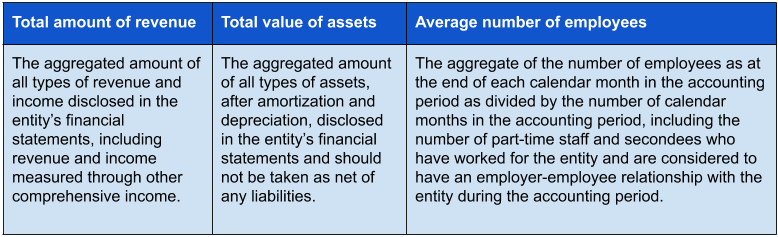
    DIPN58

    Thresholds for revenue and assets are relatively easy to understand and apply. The threshold for the number of employees is, however, somewhat tricky.

    In real life, many groups would use one entity to be the employer to streamline administration such as annual employer tax filing and handling of human resources and employee benefits. These employees will be working for different entities of the group with or without a recharge, depending on the commercial arrangement. In determining whether the entities exceed the employee threshold, it appears that the legal employment arrangement would be disregarded, and the employer-employee relationship should be considered instead.

    In a large organisation with a corporate head office, the management team and functional staff (finance, legal, human resources, IT etc) would provide support to group entities regularly and sometimes on an as-needed basis. If there are 100 employees in the corporate head office and each person spends on average 2 hours every month on the business of a subsidiary, would that subsidiary be regarded as having 100 part-time employees for the ST?

    It seems that the keyword is “employer-employee” relationship, which is sometimes referred to as the “master and servant” relationship. If the support services that the corporate head office provides to the subsidiaries are documented clearly to eliminate any doubts as to who is the employer of the head office staff, there should be a basis to argue against the attribution of employees to the subsidiaries in the example above. In elaborating on the ST, DIPN 58 did not provide an example on how to interpret this part, hence this can be a point of dispute between the IRD and the taxpayers.

    CTT – What do the Numbers Mean?

    First point to note is that the term “transaction” is widely defined to include any operation, scheme, arrangement, understanding and mutual practice. The definitions of the various categories of transactions are also very wide in order to ensure that all transactions would fall into one of the four categories.
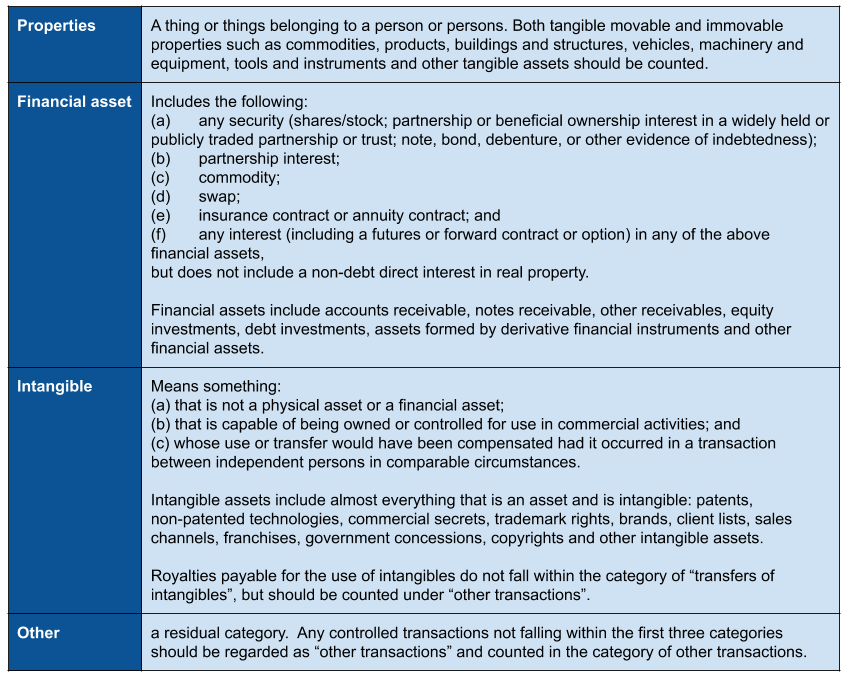
    DIPN 58 Controlled Transaction Test
    Attention should be paid to the financial asset category. Intercompany loans, which are popular in large groups, would give rise to a loan transaction (i.e. drawdown of the loan) and an incidental transaction (i.e. payment of interest), both are “transactions in respect of financial assets”. The threshold of HK$110 million could be easily breached when a holding company lends to subsidiaries to fund their operations.

    Important Points to Note on the CTT

    There are several important points on the CTT that taxpayers should be aware of:

    1. Dividend is excluded from “other transactions” (Para 34). Indeed, dividend is totally excluded from any transfer pricing analysis.
    2. The transaction can be a revenue item or an expense item, and each transaction should be considered separately without setting off each other. (Para 46)
    3. The threshold of each category of controlled transaction applies to the aggregate amount of transaction of the same category. (Para 46)
    4. It is the arm’s length amount of the transaction which should be aggregated for determining whether the threshold is exceeded. (Para 46)
    5. Specified domestic transactions and grandfathered transactions (i.e. transactions which were entered into or effected before the Amendment Ordinance came into operation on 13 July 2018) are disregarded when computing the amount of the above four categories of controlled transactions, and do not need to be documented in the LF. (Para 35)
    6. The LF of an HK entity in respect of an accounting period is required to cover a transaction even if the income or profits from the transaction are or claimed to be sourced outside HK. (Para 36)

    Amongst these points, point (4), (5) and (6) worth further discussion.

    Arm’s length amount
    Some taxpayers may be mistaken by thinking that as long as the amount of RPTs per book are in aggregate below the thresholds, they would pass the CTT. The DIPN has clarified that it is the arm’s length amount of the transaction that should be considered.

    For example, an HK entity of a multinational enterprise (MNE) group receives various supporting services from the MNE head office (say group marketing, customer relationship, legal, finance and tax support) without charge.  The financial statements of the HK entity shows the amount of RPT as nil.  The HK entity should still review the arm’s length amount that she should pay for the services received to see if the HK$44 million threshold is exceeded. The same kind of analysis applies to other categories of controlled transactions.

    This is why for an entity with any kind of RPT, the first step in determining if an exemption is available is to satisfy the ST. If the ST is breached, unless the management is confident that the arm’s length price of the transactions would not exceed the thresholds, it is advisable to prepare a detailed TP study on the controlled transactions (and thus preparing the LF). If the result shows that the arm’s length price of the transactions are close to or even exceeded the thresholds, the MF should also be prepared.

    The below flow chart diagram which first appeared in Tax Tips 3 would be a good quick reference.
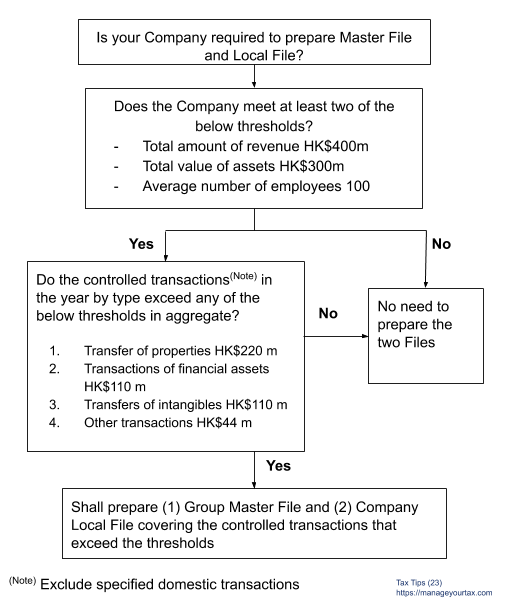
    DIPN 58

    Specified domestic transaction
    At the consultation stage of the Amendment Ordinance, many commentators suggested that transactions between HK related parties should be excluded from TPD requirement, on the basis that there is little or no tax impact in case the transactions are not conducted at arm’s length. The suggestion was partially considered and thus the CTT excludes “specified domestic transaction”.

    DIPN 58 did not attempt to elaborate on what are “specified domestic transactions”, but simply copied the definition of the term directly from section 2 of Schedule 17I of the Amendment Ordinance, and supplement it with an example. Based on the example, the transaction between two associated HK corporations would be a specified domestic transaction on the basis that they both carry on business in HK and the profits or loss arising from the transaction were chargeable to or allowable for the purposes of HK tax.

    Further elaboration on this subject can be found in DIPN 59.

    Offshore transaction
    If the profit of a transaction is sourced outside of HK and not subject to tax, one would expect that there would be no tax impact even if the transaction is not conducted at arm’s length and thus any transfer pricing analysis would not be necessary. The IRD does not think that way.

    Consider this example: an HK entity that breached the ST lends, say, HK$110 million to an associated entity outside of HK at an interest rate of 0.1% per annum. There is no other RPT for the year. If the conditions of the Provision of Credit Test is met, the interest income would not be subject to tax in HK. However, the taxpayer would still need to prepare an LF on the loan and MF on the group, even though any potential upward adjustment on the loan interest income should have no impact on the profits tax position.

    The interaction between transfer pricing and the locality of profits is briefly discussed in DIPN 59 (Para 29): after ascertaining the amount of arm’s length profits, the broad guiding principle on the locality of profits as explained in DIPN 21 would be applied to determine whether and, if so, the extent to which such profits arose in or were derived from HK. This two-step approach of first determining the arm’s length amount of the transaction and then assess the taxability/deductibility explains the position taken in DIPN 58.

    Tax Tips

    Preparation of the TPD can be a costly compliance exercise. The IRD listened to the comments of the practitioners during the consultation stage and lifted the thresholds for ST to a reasonably high level in order to reduce the number of HK taxpayers that need to prepare the TPD.

    Notwithstanding, while taxpayers may be exempted from preparing the TPD, they are obliged to keep sufficient records to enable the assessable profits to be readily ascertained, and provide information and documents about its controlled transactions upon tax return or transfer pricing examination. It would, therefore, be wise to maintain sufficient supporting documentation for the pricing of the RPT even when the entity is exempted from preparing the MF and LF under the Amendment Ordinance.


    Contact Us


    Ref:
    DIPN 58: https://www.ird.gov.hk/eng/pdf/2019/dipn58.pdf
    DIPN 59: https://www.ird.gov.hk/eng/pdf/2019/dipn59.pdf
    DIPN 60: https://www.ird.gov.hk/eng/pdf/2019/dipn60.pdf

  • Tax Tips (22) – Dealing with International Tax Cooperation

    Tax Tips (22) – Dealing with International Tax Cooperation

    A multilateral tax cooperation mechanism under the Belt and Road Initiative (BRI), the Belt and Road Initiative Tax Administration Mechanism (BRITACOM) which includes tax authorities from 34 countries and regions, was established on 18 April 2019. The reported aim of BRITACOM is to facilitate cross-border trade and investment along BRI routes by expanding tax dispute resolution activities, increasing transparency, streamlining compliance and digitizing filing.  An office will be opened in Beijing to help facilitate these goals.

    Since the BRI consists primarily of Chinese outbound investment in infrastructure projects in the participating countries, BRITACOM will likely function more in facilitating outbound Mainland Chinese entities’ local tax compliance and dispute resolution when engaged in such projects. BRITACOM will be different from the various anti-tax avoidance initiatives of the OECD and other international organisations.

    International Effort in Anti-Tax Avoidance

    The most well-known international effort against tax avoidance is the Base Erosion and Profit Shifting (BEPS) project. The 15 BEPS Actions issued in October 2015 challenge tax avoidance practices by large Multinational Enterprises (“L-MNEs”) by amending the global tax treaties, increasing disclosure and transparency, introducing new documentation in transfer pricing, countering harmful tax practices, lowering threshold of permanent establishment recognition, investigating into new form of taxation for digital services and toughening interest deduction rules. The primary aim of BEPS is to ensure that the international tax rules do not facilitate the shifting of corporate profits away from the real economic activity and value creation are taking place. Many of these Actions have been implemented already, the latest being the Economic Substance Law (with the BVI just issued the Draft Economic Substance Code).

    In addition, the OECD has stepped up efforts in international cooperation on tax matters in recent years. Heads of tax administrations meet regularly at the Forum of Tax Administration (FTA). Cross-border tax avoidance intelligence is shared among tax offices under the Joint International Taskforce on Shared Intelligence and Collaboration (JITSIC). The International Compliance Assurance Programme (ICAP) invites large MNEs to engage voluntarily with tax administrations from 17 jurisdictions (expanded from 8 when the pilot began in January 2018). Tax Inspectors Without Borders sends experience tax officials to train those in developing countries to perform tax audits on MNEs.

    The United Nation, the World Bank, the International Monetary Fund, and the European Unions are also very active in introducing new initiatives in combating tax avoidance.

    Large MNEs have Acted

    Many L-MNEs have already started restructuring back in around 2013/14 in view of the disclosure requirements especially the Country-by-Country Reporting (CbCR). In the past, many L-MNEs housed the intellectual properties (“IP”) in tax haven jurisdictions earning untaxed royalties or have captive insurance companies there to provide insurance coverage to group companies in order to receive untaxed income while the group companies could take a tax deduction. Smart L-MNEs would have restructured early so that no tax office would have the opportunity to ask the sensitive questions. Their most immediate challenge to the L-MNEs would likely be dealing with the economic substance law in the tax haven countries, especially those that have been acting as funding vehicles.

    Smaller MNEs – Act Now

    L-MNEs have internal tax resources to help them manage tax risks in this rapidly changing tax environment. What about the Small and Medium Size MNEs (S-MNEs) that do not have in-house tax people? They obviously have to rely on external tax consultants. The key is to identify the right consultants to do the following two things:

    1. Review the existing structure, operations and arrangements

    The objective of such review is to identify tax risks and opportunities currently embedded in the group structure and operations. The author had seen a group missing out the 50/50 offshore claim in the Hong Kong profits tax filing on a contract manufacturing arrangement. In another case, a Hong Kong-based listed group devoted resources in Hong Kong to help the overseas affiliates in high tax countries to become highly profitable but they do not realise that they should recoup the costs incurred in Hong Kong via transfer pricing in order to align with the commercial reality and reduce the group’s effective tax rate. These can be dug out and properly addressed in order to create legitimate tax saving.

    Some groups have not paid attention to documentation of decision making and thereby creating risks of being regarded as tax resident in jurisdictions unexpectedly. The old model of cost-plus remuneration of agents may now be exposed to permanent establishment risks. Some have ignored the documentation of substance. The impact of the Economic Substance Law introduced by the tax havens such as the British Virgin Islands (BVI) must be properly analysed with a set of action determined to address the issue.

    To be a good manager, issues should be addressed and resolved upfront so that the expectation of shareholders and directors of the group/company is well-managed. The review should be conducted by professionals with solid technical and business experience. There are well-qualified tax advisors in the market to do the work at competitive rates and high efficiency to deliver substantial value to the groups.

    Often the finance managers of the groups/companies prefer to stick their heads into the sand instead of dealing with the problems because they don’t want to take the blame for issues uncovered by the seasoned tax advisors. It is thus important for the directors or even the shareholders to realise what the current tax environment is like and take initiative in carrying out the review. At the end of the day, if the hidden tax exposures are not cleared before they crystalise, the group/company, the directors and shareholders would be badly hurt.

    2. Seek on-going tax support especially on documentation

    Having identified and dealt with past issues, it is important that no such issue will arise again in the future. This can be achieved by retaining the tax advisor to review transactions or documentation as and when required, just a family doctor caring for the health of the family. For example, sometimes the auditors, being unaware of the tax exposure created, may make disclosures in the audited financial statements that are unnecessary and sometimes even harmful to the tax arrangement of the company. For listed companies, they should be very careful in the disclosures in the annual reports.

    Board papers are crucial. It is direct evidence of management and control which is one of the key factors in determining substance and tax residency. Tax advisors play an important role in advising who should be on the board of each company, location of board meetings and review the board papers.

    Also, management should be made aware of tax law changes and new cases that affect their business. Questions they should ask, or proactively addressed by the tax advisor, include:

    • What are the benefits of the new tax incentives introduced in Hong Kong such as the two-tier tax system to the group?
    • Should something be done about intellectual property in view of the new Section 15F of the Inland Revenue Ordinance?
    • What should the group do in view of the Beneficial Ownership rules in Mainland China to ensure that the benefits can be obtained?
    • Is CbCR going to affect the group?
    • The boss travels to Mainland China often, is he exposed to the Chinese Individual Income Tax on worldwide income?
    • Is the loan financing of a foreign subsidiary compliant with transfer pricing or will it be challenged by the tax authorities?
    • In view of the tax cases, can the Hong Kong company still lodge an offshore claim on its trading profits? How to ensure a successful claim?
    • How to structure a new acquisition? Is the Multilateral Convention to Implement Tax Treaty Related Measures to Prevent BEPS (commonly referred to as the Multilateral Instrument) going to affect the group? Would all the new tax rules introduced bring higher tax exposures in a share deal and how to mitigate such risks?

    The list of questions can be much longer.

    Tax Tips

    It is time for the smaller groups to gear up the tax risk monitoring and compliance, and ensure that structures are sustainable in the medium term. The BEPS Project is at the implementation stage and it will not be long before OECD reviews the achievement and point to the next target: the S-MNE groups. The time to act is NOW.


    Contact Us


    Ref:

    BRITACOM: http://www.chinatax.gov.cn/eng/n2367751/c4273658/content.html

  • Tax Tips (16) – New Tax Rule is Harmful to Intellectual Property Activities in Hong Kong

    Tax Tips (16) – New Tax Rule is Harmful to Intellectual Property Activities in Hong Kong

    Many people may have forgotten about the “Summit on New Directions for Taxation” held in October last year.  In his speech for the event, the Financial Secretary Mr. Paul Chan said that “the most important aspect of today’s Summit is the discussion on how taxation (policy) can play a role in the economic development (of Hong Kong) in multiple directions”, and praised that “our tax system is simple, provides certainty, and it is implemented consistently”.  The Financial Secretary also mentioned that the Tax Policy Unit set up in April 2017 is working at full speed, demonstrating the determination of the Government to actively pursue economic growth and development of industries through tax policies.

    The Government has indeed done a lot of work on taxation in the past year.  Some are for the implementation of the BEPS Minimum Standard (such as the transfer pricing regulations), and some relate to the expansion of industries, such as the super-deduction on research and development expenditure.  This issue of Tax Tips discusses Section 15F Sums derived from intellectual property by non-Hong Kong resident associates (“15F”) of the Inland Revenue Ordinance (“IRO”) hidden in the transfer pricing regulations under Inland Revenue (Amendment) (No. 6) Ordinance 2018.  15F was passed by the Legislative Council and is effective from 1 April 2019 onwards.

    What Does 15F Say

    In simple terms, when a person (say a Hong Kong company, “HK Co”) performs any of the development, enhancement, maintenance, protection or exploitation (collectively as “DEMPE”) activities in Hong Kong for any intellectual property (“IP”), that person would be regarded as having contributed to the value creation of the IP.  If a non-Hong Kong associated person (say “X Co”) receives a sum for the exhibition, use or imparting of the IP or the rights of the IP inside or outside Hong Kong, a sum associated with value contributed by HK Co (the “relevant sum”), if not already subject to Hong Kong profits tax, would be deemed as Hong Kong sourced income of HK Co and subject to profits tax.    

    The original text of 15F* can be found here for Reader’s easy reference.  

    According to 15F, no matter HK Co is the owner of the IP or not, provided that HK Co has performed any of the DEMPE activities for an IP to contribute value to it, including carrying out the relevant functions, providing assets, or taking up the relevant risks, and the offshore associate (X Co) receives “a sum” from the IP and has not paid any Hong Kong profits tax on any part of the sum, 15F empowers the Hong Kong Inland Revenue Department (“IRD”) to deem the relevant sum as income of HK Co and taxed accordingly.    

    Readers may already have questions in mind about 15F, some of which may be covered below:

    1. What is the meaning of “a sum”?  Is it restricted to mean an identifiable sum received by X Co for the use of the IP?  If the IP is a brand, and X Co uses the brand to sell goods, is the sales revenue “a sum”?
    2. Would DEMPE activities performed by HK Co before 1 April 2019 be included in the analysis?
    3. How would the IRD determine the “relevant sum” if the IP is used by various subsidiaries or joint ventures of X Co in different countries, and HK Co is unable to obtain the detailed information of the income of these companies?  Even if HK Co is able to provide the information, how would the IRD assess the value contributed by these companies in order to accurately calculate the “relevant sum”?
    4. Under the IRO, is HK Co legally bound to provide information of X Co and the various subsidiaries or joint ventures in different countries to prove whether these companies have each received “a sum” and the amounts?  
    5. If HK Co is the owner of the IP and transferred the IP to X Co at an arm’s length price, why would HK Co not be exempt from 15F?
    6. Income of X Co and the various subsidiaries or joint ventures in different countries derived from the IP may have been subject to tax in the relevant countries; if part or all of the income is deemed to be taxable income of HK Co and subject to Hong Kong profits tax, the issue of double taxation would arise.  As the double taxation is not arising from a transaction between two jurisdictions but it stems only from the deeming provisions of the IRO, the issue cannot be resolved on a bilateral basis even if Hong Kong and the other side(s) has a Double Tax Arrangement (“DTA”) signed. How would the IRD deal with this issue?  Would HK Co be required to provide evidence of tax payment by the various offshore companies in order to avoid an assessment under 15F?
    7. How would the statutory auditors ascertain the tax provision of the X Co Group (including HK Co, all together referred to as “X Group”)?  If there is a multinational group interested to acquire X Group, how would the buyer assess the tax exposure of X Group under 15F?

    The above may only be some of the questions created by 15F.

    Facebook’s Data Centre

    Last month, Facebook announced that it will invest US$1 billion to build its 15th data centre, the first in Asia, in Singapore.  Tax consideration is not mentioned in the media reports covering this news. It can be imagined that some kind of DEMPE activities must be carried out in the data centre, creating certain IP to be used in different parts of the world.  If Facebook were to select Hong Kong as the location for the data centre, would they be worried about the threat of 15F?

    Would multinational groups or other tech giants be scared away from Hong Kong because of 15F when they select the location to invest in Asia to carry out DEMPE activities related to IP?  It is entirely possible that multinational groups, in any industry, may choose to avoid Hong Kong because of tax risks and uncertainties created by 15F!

    Voice Against 15F

    When the Inland Revenue (Amendment) (No. 6) Bill 2017 (“the Bill”) was gazetted last year, many professional organisations made submissions to the Bills Committee voicing out concerns on 15F, some even requested that 15F be removed.  The Government responded that there are companies that transfer legal ownership of IPs to associates in low-tax jurisdictions where no DEMPE activities are performed but earn the IP income.  In order to align taxation with value-creation, which is the objective of BEPS, the Government is introducing 15F to combat such profits shifting activities. The Government claimed that DTA partners are adopting a similar approach to transfer pricing, and genuine commercial transactions would not be affected.

    Lastly, in order to pass the Bill (and 15F), the Government has said that various issues will be clarified in a Departmental Interpretation and Practice Notes (“DIPN”) to be issued, and deferred the commencement date of 15F to 1 April 2019 to allow more lead time to taxpayers.   

    Tax Tips

    The scope of 15F is very wide and it is not a specific anti-avoidance provision.  15F would apply even if the taxpayer is not engaged in any tax avoidance. Under the shadow of 15F, the statement that “our tax system is simple, provides certainty, and it is implemented consistently” would no longer be true.  15F discourages companies to conduct IP-related activities in Hong Kong, which is in direct contradiction to the Government policy of encouraging research and development activities in Hong Kong.

    If the law is flawed, DIPN would not make it flawless.  Therefore, the best approach to 15F is to ask the Government to repeal it or amend it substantially such that it only applies in limited circumstances.  The Author would raise the demand through the appropriate professional organisation. In the meantime, Readers may also raise the issue via appropriate means.    

    If the Government refuses to amend 15F, the only way to eliminate tax risk is not to carry out any DEMPE activities in Hong Kong, which is basically an impossible task.  Companies should thus wait for the DIPN before deciding the action to take.


    Contact Us

    (This is an English translation of the Chinese article published in the Hong Kong Economic Journal Forum on 9 October 2018: https://manageyourtax.com/HKEJ Forum 16)

    REF:

    * Full text of 15F (https://www.elegislation.gov.hk/hk/cap112!en-zh-Hant-HK?INDEX_CS=N&xpid=ID_1532314900253_001) was updated on 13 July 2018, copyright belongs to the Hong Kong SAR Government (https://www.elegislation.gov.hk/copyright )

    Facebook Singapore data center: http://fortune.com/2018/09/06/facebook-data-center-singapore/

    Submissions to Legco re Bill 6: https://www.legco.gov.hk/yr17-18/english/bc/bc02/papers/bc02_d.htm

    IRD’s response to public concerns on 15F: https://www.legco.gov.hk/yr17-18/english/bc/bc02/papers/bc0220180306cb1-657-2-e.pdf

  • Tax Tips (6) – Territorial Concept x Transfer Pricing

    The Inland Revenue (Amendment) (No. 6) Bill 2017 (the “Bill”) that was discussed in Tax Tips (2) and (3) proposed to introduce Part 8AA – Transfer Pricing Rules to the Inland Revenue Ordinance.  Transfer Pricing rules require transactions with associated enterprises be conducted under the Arm’s Length Principle.  Section 50AAD(1) of Part 8AA reads: “This Part applies in determining a person’s liability for property tax, salaries tax and profits tax”.  Putting aside Property Tax and Salaries Tax (the Author does not think that it is appropriate to extend transfer pricing regulations to Salaries Tax), the Author’s interpretation of this Section is that “when a person is liable to Profits Tax, Part 8AA operates to determine the extent of the liability”.  Whether a person is liable to Profits Tax, one shall mainly refer to Section 14(1) of the Inland Revenue Ordinance, which says:

    Subject to the provisions of this Ordinance, profits tax shall be charged for each year of assessment at the standard rate on every person carrying on a trade, profession or business in Hong Kong in respect of his assessable profits arising in or derived from Hong Kong for that year from such trade, profession or business (excluding profits arising from the sale of capital assets) as ascertained in accordance with this Part.

    If the profits of a connected transaction are derived from outside Hong Kong and not subject to Profits Tax under Section 14(1), the Hong Kong taxpayer should be regarded as “not liable to profits tax” and thus Section 50AAD(1) of Part 8AA would not be applicable.  Even if the Hong Kong taxpayer has substantive business and operating activities in Hong Kong, as long as the profits of the connected transactions are derived from outside Hong Kong, the Inland Revenue Department (“IRD”) should not impose Profits Tax on the profits attributable to the risks assumed and functions carried out in Hong Kong. This is the correct treatment because if the substantive business activities carried out by non-associated enterprises would not be subject to Profits Tax, the same activities carried out by associated enterprises should not be treated differently.  This principle has been mentioned in Paragraph 71 of the Departmental Interpretation and Practice Notes No. 46 – Transfer Pricing Guidelines – Methodologies and Related Issues (December 2009) (“DIPN 46”).  In theory, the principle of territorial-based taxation is maintained.

    Connected Transactions in D25/14

    In the last issue of Tax Tips, the Inland Revenue Board of Review (“BOR”) Decision for Case D25/14 (published in February 2016 Volume 30 First Supplement) was discussed.  Although the matter in dispute was not related to transfer pricing, as the case involved both the source of profits and transfer pricing, it can be used to discuss this topic: if Part 8AA Section 50AAD(1) was already the law, how would it apply to the case? [Please refer to Tax Tips (5) for the background of the case]

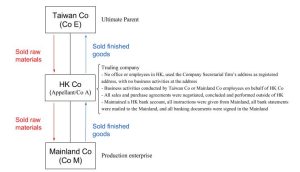
    Case Appellant Company A (“Co A, a Hong Kong company) had no employee and asset in Hong Kong, all contracts were entered into and performed outside Hong Kong, but the BOR determined that regardless of the whereabouts of the controlling staff and the places where the contract was entered into and performed, the trading between Taiwan Co and Mainland Co would have been impossible in the absence of the Appellant as the “middleman”.  The activity of playing such role was obviously in Hong Kong.  The BOR rejected the Appellant’s argument that “the profits were not arising in or derived from Hong Kong”, and confirmed that the profits of Co A were fully subject to Profits Tax.  Assuming Part 8AA has been implemented, given that Co A’s transaction was definitely a connected transaction and has been ruled by the BOR to be liable to Profits Tax, how would the IRD “determine the extent of such liability?”

    Under normal circumstances, “to determine the extent of such liability”, one basically assumes Co A was not an associated company of Taiwan Co and Mainland Co, and based on Co A’s functions, risks, government policies etc., search for comparable companies in the market, select the appropriate transfer pricing method to determine whether Co A’s profit is lower than those earned by comparable companies under the Arm’s Length Principle.  If it is determined to be lower than the arm’s length profits, the IRD may adjust the assessable profits upward and assess Profits Tax.  Although Co A’s case did not disclose the functions performed and risks assumed by each of the affiliated companies, it can be reasonably assumed that most of the risks were borne by Taiwan Co, such as bad debts, cargo insurance, foreign exchange risks etc.  The three companies each had their own functions, but Co A did not have employee and asset so it could only have performed limited functions.  In addition, as Co A only served as an intermediary for the entire transaction, if the Taiwan Co did not own Co A, but rather traded with the mainland manufacturer through an independent, non-affiliated Hong Kong company (call it “Co X”), it would be likely that a lot of genuine Hong Kong trading companies would be happy to take up the middleman role for a relatively lower return for the limited risks it would bear.  This “middleman” role, which was regarded as extremely important by the IRD and the BOR, would not seem to be very valuable from transfer pricing perspective.

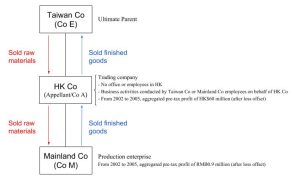
    The Author suspects that the entire planning behind Co A was that Co A was expected to be successful in Hong Kong Profits Tax exemption on the basis that the profits were sourced from outside Hong Kong, thus it is likely that Co A made excessive profits during the years.  According to publicly available information, from 2002 to 2005, Co A’s total sales revenue was HK$237,121,169, with an aggregated pre-tax profit of HK$60,053,849 (after loss offset), resulting in a high net profit margin of 25%!  Would this “very important intermediary role” be entitled to earn such a high profit?  Would the Taiwan Co give more than HK$60 million of profits to the independent, non-affiliated Co X?  As for the Mainland Co, the total profits from 2002 to 2005 was only RMB918,234 (after loss offset)!  It seems that Co A was carefully operated to lower the group’s overall tax burden by making the offshore claim.

    Anti-Avoidance is the Highest Principle?

    The Author also suspects that the IRD was aware of the possible tax avoidance via offshore claim.  As it would be inappropriate to invoke the General Anti-Avoidance provisions under Section 61A of the Inland Revenue Ordinance to tackle this case, the IRD countered such avoidance act by seeking to disallow the Offshore Claim.  As the contracts of sale and purchase of Co A were effected and performed outside Hong Kong, under DIPN 21 as referred to in the last issue of the “Tax Tips” the profits would not be subject to tax in Hong Kong.  In order to win the case, the IRD linked the “extremely important” middleman’s role and functions (which is a concept of transfer pricing) with the source of profits, and succeeded in winning at the cost of overturning DIPN 21.  In the past, the IRD would respect the territorial concept of taxation and would not inquire whether the relevant profits were taxed elsewhere.  However, under the bandwagon of BEPS(1), it seems that anti-avoidance has become the highest principle.  As for the BEPS concept of “allowing companies to pay tax at the location of their real business activities and value creation”, the real idea seems to be that “if no one is claiming tax on profits, I will come forward”.  Therefore, it will become more and more difficult to be granted the offshore treatment in the future (many people would have felt it already in the past few years).  This is particularly worrying as the law and DIPN 21 have remained unamended.

    Finally, would the IRD adjust-down Co A’s assessable profits (assuming the transfer pricing report determines that Co A’s profit is too high) in accordance with the arm’s length principle?  The answer is “No”, not only because the subject matter in question is the source of profit, as a matter of policy, the IRD would simply not proactively adjust-down excessive profits.  Furthermore, unless the tax authorities in the Mainland decided that Co A has constituted a permanent establishment in the Mainland and imposed a 25% corporate income tax on the profits of Co A, there is no double taxation and the IRD can safely pocket the tax revenue. This principle is also illustrated in paragraphs 71 and 72 of DIPN 46.

    (1) See “Tax Tips” (1) and (2)

    Tax Tips: Taxpayers must recognise the general direction and current climate of transfer pricing.  Before making any arrangement, it is important to anticipate that every tax office involved in a transaction wants a share of your profits — tax authorities are increasingly interested in using “Profits Split” to divide the profits of the entire supply chain.  It is conceivable that there will also be disagreements between tax authorities, and taxpayers in Hong Kong may eventually have to ask the IRD to invoke the Mutual Agreement Procedure and Arbitration under the double taxation arrangements to negotiate with the other side (or multiple sides) on who gets to tax which part of your profits.  After lengthy discussions, taxpayers would also have to pay IRD the relevant fees (Section 50AAB introduced in the Bill refers).  It is recommended that taxpayers should immediately review all connected transactions, collect evidence and supporting arguments, determine the most suitable transfer pricing methodologies, and prepare appropriate transfer pricing documentation to meet possible challenges in the future.

    (This is an English translation of the Chinese article published in the Hong Kong Economic Journal Forum on February 26, 2018: https://manageyourtax.com/HKEJ Forum 6)

    Contact Us

    Author: Edwin Bin

    Ref:

    The Bill: http://www.gld.gov.hk/egazette/pdf/20172152/es32017215229.pdf

    D25/14: http://www.info.gov.hk/bor/tc/docs/D2514.pdf

    DIPN 21: https://www.ird.gov.hk/chi/pdf/c_dipn21.pdf

    DIPN 46: https://www.ird.gov.hk/eng/pdf/e_dipn46.pdf

  • Tax Tips (5) – Does the Territorial Concept of Taxation Still Exist?

    (This is an English translation of the Chinese article published in the Hong Kong Economic Journal Forum on February 9, 2018: https://manageyourtax.com/HKEJ Forum 5).

    Foreword: Bad answers to IRD enquiries can be catastrophic to other taxpayers…

    As mentioned in the previous issue, one of the criteria for a good tax system is fairness, while others include simple and easy to understand, low compliance costs, high transparency and high certainty.  The author started working on Hong Kong tax more than 20 years ago.  At that time, the Hong Kong tax system did meet the requirements of a good tax system.  But is the tax system in Hong Kong still good today?  The speech by the Financial Secretary, Mr Paul Chan, at the “Summit on New Directions for Taxation” in October last year referred to the government’s tax policy direction in recent years and the future prospects.  In the Tax Tips to follow the author will comment based on the Financial Secretary’s speech.

    The Financial Secretary said: “Hong Kong has always followed the simple low-tax system and the territorial concept of taxation. Today it has one of the lowest tax rates in the world in terms of corporations and individuals, making it the world’s premier business location … However, today we are in the 21st century, great changes are happening in the global political and economic arena.  Tax measures have gradually become a means of competition among various economies, attracting investors and supporting industries through this competitive approach.  We are seeing the shortcomings of Hong Kong’s simple and low tax system… “.  This issue discusses the territorial concept of taxation.

    The Territorial Concept of Taxation

    In theory, as long as Section 14(1) of the Inland Revenue Ordinance (“IRO”) is not changed, the Government can still claim that Hong Kong is maintaining the territorial concept of taxation, the problem is whether in practice this concept is still being respected.  One criticism of the Inland Revenue Department (“IRD”) is that the Department no longer respects the territorial concept of taxation.  Taxpayers today are finding out that the same profits with the same offshore source would no longer be considered offshore source by the IRD.  Let us first revisits what Section 14(1) says:

    Subject to the provisions of this Ordinance, profits tax shall be charged for each year of assessment at the standard rate on every person carrying on a trade, profession or business in Hong Kong in respect of his assessable profits arising in or derived from Hong Kong for that year from such trade, profession or business (excluding profits arising from the sale of capital assets) as ascertained in accordance with this Part. (NB: fonts in bold added by the author)

    The Inland Revenue Board of Review (“BOR”) Decision for Case D25/14 (published in February 2016 Volume 30 First Supplement) is an interesting case worth looking at.  The Appellant was a Hong Kong incorporated company (“A Co”/”HK Co”) that acted as the middleman in the trading between Taiwan and the Mainland to circumvent the direct trading restriction (the “Three Direct Links” – Direct Posts, Direct Vessels, Direct Flights) between Taiwan and the Mainland at that time.  The diagram below sets out the relationships and operations of the companies involved.

    Except for the transshipment of raw materials and finished goods through Hong Kong, the following operations are carried out by either the Taiwan Co or employees of the Mainland Co in these two locations: receiving orders from Taiwan Co for purchasing products / contacting Mainland Co for manufacturing / negotiating with Taiwan Co for raw materials purchases / arrange the delivery of raw materials / test the quality of raw materials / test the quality of finished products / issuance of invoices, billing and settlement.  The Appellant’s directors were only involved in the raw materials purchases for the Mainland Co and the activities were carried out in the Mainland.  On the profits tax return, the Appellant claimed that it operated entirely outside Hong Kong and therefore did not have any profit taxable profits or losses that can be set off against profit tax.  The IRD dismissed the claim issued an assessment of profits tax of HK$12.36 million in total for the years of assessment 2002/03 to 2005/06.  After rounds of correspondences, the Appellant failed to convince the IRD and subsequently appealed to the BOR.

    The core issue of this case is the answer to the following three questions:

    (1) Did the Appellant carry on a trade, profession or business in Hong Kong?

    (2) Did the Appellant’s profits that should be assessed come from the trade, profession or business of the Appellant?

    (3) Was the profit arisen in or derived from Hong Kong?

    These three issues are precisely the conditions under Section 14 (1) of the IRD.  All three conditions must be met for profits to be chargeable to Profits Tax.

    What the Appellant said

    The Appellant did not consider it appropriate to determine that a trade, profession or business has been established in Hong Kong solely because it was a limited company incorporated in Hong Kong.  Instead, one should focus on the nature of the activities carried out in Hong Kong and exclude any ancillary activities.  Since the Appellant considered its activities in Hong Kong to be ancillary in nature, the Appellant contended that no business was conducted in Hong Kong, and thus the above first condition was not met.

    With regard to the second condition, the Appellant did not deny that it made profits out of its business, which was conducted outside of Hong Kong. Therefore, the Appellant considered the second condition to be met, for the offshore business activities.

    As for the above conditions for “profits arising in or derived from Hong Kong”, the Appellant did not think Hong Kong should be the source of profits simply because the taxpayer was operating in Hong Kong. In summary, the Appellant argued that the “actual cause” of the trading profits came from the contracts which were entered into and performed outside Hong Kong.  Therefore, the Appellant considered that its profits were not arising in or derived from Hong Kong, and thus the third condition was not met.

    Views of the IRD Representative and Judgement by the BOR

    With regard to Condition 1: whether the Appellant carried on a trade, profession or business in Hong Kong, the Board considered that the Appellant’s operations in Hong Kong was more than ancillary nature and dismissed the Appellant’s statement.  The Board arguments included: A Co acted as the “middleman” and was a true legal entity with specific functions within a Taiwanese corporate group.  It was not a paper company.  A Co prepared financial statements in Hong Kong and has bank accounts in Hong Kong.  The documents of A Co showed that the company’s business address was in Hong Kong. Another important factor is that the customs documents showed that the raw materials and finished goods landed in Hong Kong for transshipment, and the finished goods were consolidated onto a large vessel in Hong Kong for shipping to Taiwan.  A Co clearly intended to ensure that trading activities must be conducted through Hong Kong.  These activities are direct evidence that A Co had an actual and important business.  Without this “middleman”, it would have been virtually impossible for any trade to be conducted under the environment at that time.  Therefore, although A Co’s business activities were not as substantial as other trading companies, it had certain, and indeed very important, business and specific roles.  The IRD representative also pointed out during the hearing that there was no evidence to show that the central management and control of the taxpayer was outside Hong Kong (the information showed that one of the five directors of A Co was a director and supervisor of the Taiwan Co, one served as both the director of Taiwan Co and Mainland Co, the other three were also directors of Mainland Co, with one of them being also the general manager of Mainland Co.  It seems that none of them was managing the business of A Co in Hong Kong).

    In regard to the most crucial question: Whether the profits were arising in or derived from Hong Kong, the IRD representative said: “The business of a company must be carried out in a place where the important activities are carried out, and that place is not necessarily the same place of decision making.  Business can be conducted in Hong Kong with a limited scale of actual activities”.  The representative of the IRD also claimed that “the place where the documents are produced [the author: the negotiation and conclusion of the contracts?] is not important for determining the source of the Appellant’s profits.  The sources of profits shall be determined based on facts, which is a commercial issue rather than technical issue.  In this appeal case, the reality is that the Appellant earned profits by selling goods from a subsidiary in the Mainland to the parent company in Taiwan.  These sales must be routed through Hong Kong.  In fact, the goods were transshipped through Hong Kong.  The antecedent and ancillary activities were carried out in various locations.  The actual reason for the generation of profits is the transshipment activities”.

    The Board opined that in deciding whether the source of profits came from Hong Kong, the place where a contract was entered into and performed was an important factor, but not a decisive one.  In investigating the activities from which the Appellant derived profits, attention must be given to the fact that the activities might not be the trading activities which one conventionally perceived (i.e. the entering into and performance of the contract, etc.).  As Lord Janucey mentioned in the IRC v HK-TVB International Ltd case, “one looks to see what the taxpayer has done to earn the profit in question and where he has done it”.

    The Board pointed out that the Appellant was inserted as a “middleman” to circumvent the trade restrictions in force between the Mainland and Taiwan.  Although the number of activities was not large, it had a necessary role. In other words, regardless of the whereabouts of the controlling staff and the places where the contract was entered into and performed, the trading between Taiwan Co and Mainland Co would become impossible in the absence of the Appellant.  The activity of playing such role was obviously in Hong Kong.  There was no evidence to show that the profits were derived from outside of Hong Kong.

    Lastly, the Board mentioned that according to authorities, the place where a contract was entered into was an important factor in deciding the source of profits, and the mode of trade and destination of the goods shipped might be a factor of less importance; but in light of the trade restriction which was in force at the material period, the former became peripheral and less important, while the latter was an important factor when considering the source of profits.

    The appeal was dismissed.  The author understands that A Co has not lodged a further appeal.

    What the IRD said before

    Readers would likely be familiar with the “Departmental Interpretation and Practice Notes No. 21 – Locality of Profits” (Revised in July 2012).  The IRD’s views which are reflected in its assessing practice on the locality of profits derived from trading in commodities or goods by a business carried on in Hong Kong are contained in Para 23, as follows:

    (a) Where both the contract of purchase and contract of sale are effected in Hong Kong, the profits are fully taxable.
    (b) Where both the contract of purchase and contract of sale are effected outside Hong Kong, no part of the profits are taxable.
    (c) Where either the contract of purchase or contract of sale is effected in Hong Kong, the initial presumption will be that the profits are fully taxable.
    (d) Where the sale is made to a Hong Kong customer (including the Hong Kong buying office of an overseas customer), the sale contract will usually be taken as having been effected in Hong Kong.
    (e) Where the commodities or goods are purchased from either a Hong Kong supplier or manufacturer, the purchase contract will usually be taken as having been effected in Hong Kong.
    (f) Where the effecting of the purchase and sale contracts does not require travel outside Hong Kong but is carried out in Hong Kong by telephone, fax, etc., the contracts will be considered as having been effected in Hong Kong.
    (g) The purchase and sale contracts are important factors but all the relevant operations that produce the trading profits must be looked at to determine the locality of the profits.

    DIPN 21 Para 24 reads: “Having regard to the points expressed above [author: (a) to (g) above], it will be apparent that, in the Department’s view, the question of apportionment does not arise in relation to trading profits. Trading profits will be either wholly taxable or wholly non-taxable. There is no room to substitute a mixed source for a Hong Kong source even though there might be some overseas activities”.

    After revisiting DIPN 21 and look back to the case, would readers agree to the statements made by the IRD representative and the decision of the BOR?  They both placed high importance on the role of the Hong Kong company but did not say anything about the contracts were entered into and performed outside Hong Kong.  They focused on the essential role that the Hong Kong company played and determined the source of profits based entirely on this factor; yet the source of profits has always been determined based on the conclusion of the sales and purchase contract, but not the level of importance of the Hong Kong company (is there any middleman that has no role and not needed?).  Further, without the sales and purchase contracts, there would not be any profits.  If there is another identical case but without the “Three Direct Links” background (for example, replace Taiwan Co with a UK company), would the IRD and the BOR maintain the same judgment?  If the conclusion would be different (offshore profits), then I would recommend the IRD to revise DIPN 21 so that taxpayers would know under what situations would profit be treated as onshore even when the contracts are effected and performed outside of Hong Kong.  If the conclusion is the same (source of profits is determined based on the taxpayer’s role and degree of importance), the territorial concept of taxation is effectively abolished, and the Government should commence tax reform and amend the IRO as soon as possible.   

    An alternative route is profit apportionment.  DIPN 21 Para 46 mentioned “The Department accepts that, notwithstanding the absence of a specific provision for apportionment of profits in the IRO, there are certain situations in which an apportionment of the chargeable profits is appropriate. The example of manufacturing profits has already been explained above. A further example is service fee income where the services are performed partly in Hong Kong and partly outside. On the other hand, as has been mentioned in paragraph 24 above, the Department does not find an apportionment of trading profits is required”.  If the IRD no longer follows principles set out in Para 23, what is the reason for sticking to the principle of no apportionment of trading profits?

    This case reflects the IRD’s approach to the territorial concept of taxation has changed.   Numerous taxpayers may currently be in dispute with the IRD over the source of profit.  When facing unreasonable assessments, many taxpayers may prefer to settle the case in view of the long appeal time and high costs.  It is likely that this case of Co A will be cited by the IRD in future disputes with taxpayers.  The Financial Secretary, Mr. Paul Chan, said at the end of his speech that “Our tax system is simple and clear, and its implementation is fair and consistent…we absolutely do not want to gradually make our tax system more complex, which would lead to disproportionate increase in tax administrative costs and corporate compliance costs”.  In the face of today’s environment, is Hong Kong’s tax system still territorial based, easy and straightforward, apply equally to all, consistent in implementation, and low in compliance costs?  Can Hong Kong continue to be, in the eyes of the Financial Secretary, the world’s premier business location?  In the environment of BEPS, it seems that it is time to consult the Hong Kong people for a tax reform.

    Tax Tips :

    1. The case of A Co could have been resolved satisfactorily during the enquiry stage, and maintain that the profits were arising in or derived from outside Hong Kong.  There are certain techniques in answering queries from the IRD; other than pointing out the relevant legal provisions and cases, if the IRD’s views are unreasonable, one had to point out directly the issue, such as asking the above question “If there is another identical case but without the “Three Direct Links” background (for example, replace Taiwan Co with a UK company), would the IRD argue the same?”.  Besides the source of profit, the IRD’s approach in determining revenue and capital expenditures can sometimes be unreasonable too.  As taxpayer or tax representative one has to know how to close the issue at an early stage.  
    2. The case also has Mainland tax implications.  Co A would likely have created a permanent establishment in the Mainland (or even in Taiwan), and the Mainland tax authorities could impose corporate income tax at 25% on the profits of Co A (and Co A should claim the profits tax suffered in this appeal case from the IRD under the Hong Kong-Mainland Double Tax Arrangement?).  Further, as Co A has no substance in Hong Kong, the IRD may not issue the Certificate of Residence to Co A, and the Mainland authorities would unlikely consider Co A as the beneficial owner of dividend from Mainland Co, so that Co A would not be able to enjoy the 5% dividend withholding tax rate under the Double Tax Arrangement but would need to pay 10% instead.  Hong Kong taxpayers conducting similar business should learn from the case in how to improve the overall arrangement.  

    Author: Edwin Bin

    Ref:

    FS’ Speech at Tax Summit (Chinese only): http://www.info.gov.hk/gia/general/201710/23/P2017102300746.htm

    D25/14: http://www.info.gov.hk/bor/tc/docs/D2514.pdf

    DIPN 21: https://www.ird.gov.hk/eng/pdf/e_dipn21.pdf


  • Tax Tips (4) – Is the Two-Tier Profits Tax System Really Going to Benefit SMEs?

    (This is an English translation of the Chinese article published in the Hong Kong Economic Journal Forum on January 30, 2018: https://manageyourtax.com/HKEJ Forum 4).

    The current Government has repeatedly mentioned about “New Fiscal Philosophy,” and the “New Direction for Taxation” plays a key role in realising this new philosophy.  The most eye-catching new tax initiative must be the two-tier profit tax system.  The Government introduced the two-tier system of profits tax in the Inland Revenue (Amendment) (No. 7) Bill 2017 (the “Bill 7”) on the 29th of December 2017 and it is scheduled to be implemented in Fiscal Year 2018/19.  Most people would know that the two-tier profit tax system introduced the lower 8.25% tax rate (half of the normal rate) on the first HK$2 million of assessable profits each year (a tax saving of HK$165,000 if the annual taxable profit of a company reaches HK$2 million), and each Group can only designate one company within the group to enjoy preferential tax rate.  Is this design good or bad?

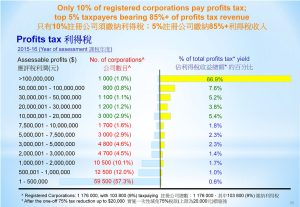
    First look at what the Government says.  The two-tier system was first proposed by Ms Carrie Lam in her campaign for the Chief Executive of Hong Kong for the purpose of “reducing the tax burden on enterprises (especially the small, medium and start-up enterprises)”.  After Ms Lam’s election victory, the Government started to study the implementation, and put forward in the 2017 Policy Address that “To ensure that the tax benefits will target SMEs, we will introduce restrictions such that each group of enterprises may only nominate one enterprise to benefit from the lower tax rate”.  According to the blog “Thinking about the 2018/19 Budget” released by the Financial Secretary, Mr Paul Chan, on January 7, 2018 (there is no English version), taking the 2015/16 assessment year as an example, there are about 100,000 companies paying Hong Kong Profits Tax, with distribution as follows:

    (Source: “Thinking about the 2018/19 Budget” http://www.fso.gov.hk/chi/blog/blog070118.htm )

    The information can be grouped as follows:

    The number of companies with assessable profits:

    0 – HK$2m: 82,500 (~80%)

    >HK$2m: 21,300 (~20%)

    Speaking at the “Summit on New Directions for Taxation” held in October last year, Financial Secretary Mr. Paul Chan said that if every company is allowed to enjoy the preferential profits tax rate, the Treasury would reduce its tax revenue by about HK$7.1 billion.  The Financial Secretary also mentioned that “as the cost of setting up and maintaining a company in Hong Kong is relatively low, there would be tax revenue loss if groups spin-off companies”.  In addition, “the United Kingdom introduced a similar taxation measure more than a decade ago, the corporation tax on the first £10,000 of profits was 0% with the amount exceeding that to be subject to tax.  In the two years since the introduction of the initiative, new local company formation increased 40% and 20% respectively, and the UK abolished the arrangement after some years”, “therefore, after due consideration, we decided to include some provisions to such that each group is only allowed to nominate one company to benefit from the lower tax rate, which helps to concentrate tax incentives on SMEs on the one hand and at the same time make it impossible for enterprises to spin off new companies for tax concessions”.  According to the statement made by the Secretary for Financial Services and the Treasury Bureau Mr James Lau, JP, on the second reading of “Bills 7” at the Legislative Council on January 10, “Assuming that 20% of the taxpayers are related enterprises, the implementation of the proposal will result in annual government tax revenue reduction of approximately HK$5.8 billion”.  

    The question is, is this estimate made based on the assumption that around 20% of companies have taxable profits exceeding HK$2 million?  That is, the Government assumes that all enterprises with an assessable profit of more than HK$2 million are large group enterprises and the rest (80%) are SMEs or start-ups and can enjoy a low tax rate?

    I have no objection to two-tier profits tax. The level of tax rates should be determined based on various factors including the international environment and consider the local policy direction.  Tax increases, tax reduction or two-tier system can all achieve policy objectives.  The key is to be clear about the objective.  The objective of this reform is obviously to reduce the tax burden on SMEs and start-up companies.  The only question, therefore, is whether the two-tier profits tax system as proposed by “Bill 7” can achieve this objective.

    The “connected enterprise” mentioned by Secretary Lau should be the “connected entity” mentioned in Bill 7.  The definition of “connected entity” in simple terms is an entity that controls another entity or is jointly controlled by another entity or natural person.  The threshold of “control” is more than 50% (for details, see Article 4 of Bill 7 for the new S.14AAB).  Accordingly, if a businessman sets up two companies to run small businesses, one is a fashion retail shop which he holds 90% interest (Friend A holds 10%), and a snackfood trading company for which he holds 60% (Friend B holds 40%), under the Bill 7 the two companies are “connected entities”, so the businessman can only choose one company to enjoy the preferential tax rate, how should he choose without upsetting one of his friends?

    As a matter of fact, many small business operations require more than one company to operate.  This is for business reasons such as licenses, the composition of shareholders, business categories, and risks containment.  Are these small businesses “large enterprises” in the Government’s eyes?  On the other hand, according to my own personal experience, many companies that belong to the same group have assessable profits of well under HK$2 million (in fact, anyone who has handled Hong Kong profits tax compliance for large and small groups would know), thus I would say Secretary Lau’s estimation is too conservative.  Since there is no concession for large and small enterprises, I believe the number of companies that can enjoy the preferential tax treatment under the two-tier profits tax system would be very small.  The annual cost of revenue to the Government should be well below HK$5.8 billion.

    The UK Example

    The provision that only allows one of the “connected entities” to enjoy the lower tax rate should be the anti-avoidance measure (Specific Anti-avoidance Rule) mentioned by the Financial Secretary to prevent companies from abusing the tax preference by splitting up profitable ones.  The Financial Secretary also mentioned the example of the UK.  According to the Institute for Fiscal Studies in the UK, the measure was introduced in 2000 with an applicable tax rate of 10% on the profits of the first £10,000 for the first two years (2000 and 2001) and zero for the next four years (a specific anti-avoidance provision was introduced), and the measure was abolished after 2005.  The purpose of introducing the low tax rate in those days was to encourage entrepreneurship and increase employment opportunities.  However, it also unexpectedly encouraged the conversion of existing self-employed persons into corporate forms, which, in addition to saving corporate tax, also reduced National Insurance contribution.  As for splitting up of companies to enjoy the low rate, although not impossible, I was not able to find materials covering this point.  More importantly, there was no “General Anti-Avoidance Rule” (GAAR) in the UK at that time (GAAR was introduced in the UK in 2013), meaning that the HMRC could not prosecute a company for entering into transactions or arrangement for the sole or dominant purpose of obtaining a tax benefit.  On the contrary, Hong Kong has always had a GAAR (Section 61A of the Inland Revenue Ordinance).

    When the Hong Kong Inland Revenue Department (“IRD”) considers any transaction has been entered into or effected and that transaction has, or would have had, the effect of conferring a tax benefit on a person, and it would be concluded that the person, or one of the persons, who entered into or carried out the transaction, did so for the sole or dominant purpose of enabling the relevant person, either alone or in conjunction with other persons, to obtain a tax benefit, the IRD shall assess the liability to tax of the relevant person as if the transaction or any part thereof had not been entered into or carried out; or in such other manner as the assistant Commissioner considers appropriate to counteract the tax benefit which would otherwise be obtained.  In other words, even if there is no Special Anti-avoidance Rule in Bill 7, when an enterprise, regardless of its size, sets up a company to split its profits in order to enjoy a lower tax rate, the IRD can apply GAAR to counteract the benefits and may impose a fine.  Any enterprise that avoids tax knowingly would certainly calculate the cost-effectiveness of arrangement.  Although it is not ruled out that enterprises may enter into an arrangement for saving just HK$165,000 (which would be the case only if the company has assessable profits of more than HK$4 million), apart from facing GAAR, dividing a business into two business is actually not easy in practice.  For example, a businessman operates a fashion retail shop and signed a five-year lease for the premises.  If he now wants to split into two companies to operate the same shop, he will need to seek consent from the landlord.  If you were the landlord would you agree to it unconditionally?  Then the business owner needs to bill customers separately, employees shall be hired by two companies, and vendors shall contract with two companies?  To save HK$165,000 for doing all these the business owner will likely end up losing money.  Of course, another approach is to maintain the operation of a company and to split the account into another company by means of internal allocation and accounting entries.  But would this pass the sharp eyes of the IRD assessors?

    As to the question “Can the two-tier profits tax system proposed in Bill 7 help reduce the tax burden on SMEs and start-ups?”, my answer to “No”.  This is because of the Special Anti-avoidance Rule contained in which is restrictive to SMEs and start-ups.  This provision is complicated and deviates from the requirements of a good tax system.  One of the criteria for a good tax system is “fairness”.  “Fairness” means that tax treatment should be the same for different taxpayers doing the same thing.  It is fair for everyone to pay a high tax rate for higher profits, but it is unfair if benefits would be denied for being part of a group.  In fact, groups that set up a company to operate a business is no different from an SME, the group also needs to invest capital, hire qualified personnel and take risks, and the difference is that large groups can generally be able to do these more efficiently.  Perhaps “fairness” in the eyes of the government is that all large corporations and small enterprises can only choose one company to enjoy the benefits without discrimination.  Hong Kong does not have a group consolidation profits tax regime, but the lower tier profits tax rate is applied on a group basis, so there seems to be a conflict in administration.

    In fact, there are quite a lot of channels for the Government to use financial means to help alleviate the burden on SMEs or start-ups, some of which may not have any assessable profit at all.  The Government could consider providing low-cost office space or industrial premises consider help reduce their operating costs, and even set up some special support funds for eligible enterprises or small size groups to apply?  When these enterprises become tax paying, the Government will recover the investments through tax revenue.

    Tax Tips: If a business earns HK$2 million profits a year, but it is actually earned through four companies (each HK$500,000), according to the two-tier system, the business can only save HK$41,250 (instead of HK$165,000).  It is time for SMEs to review the assessable profits of its companies and to choose one to enjoy the preferential tax rate in the future.  If commercially viable with the business transformation, businesses have the opportunity to enjoy the HK$165,000 benefits in full. The premise, of course, is to strictly abide by the requirements of the tax regulations.


    Author: Edwin Bin

    Ref:

    Inland Revenue (Amendment) (No. 7) Bill 2017:

    http://www.gld.gov.hk/egazette/pdf/20172152/es32017215230.pdf

    Carrie Lam Election Manifesto:

    https://www.carrielam2017.hk/media/my/2017/01/Manifesto_e_v2.pdf

    2017 Policy Address:

    https://www.policyaddress.gov.hk/2017/eng/policy_ch03.html

    Tax Summit Speech by FS (Chinese only):

    http://www.info.gov.hk/gia/general/201710/23/P2017102300746.htm

    Secretary for FSTB Speech (Chinese only):

    http://www.fstb.gov.hk/tb/tc/docs/sp20180110a_c.pdf

    Institute For Fiscal Studies:

    https://www.ifs.org.uk/budgets/gb2008/08chap11.pdf

    https://www.ifs.org.uk/uploads/publications/bns/bn09.pdf

    UK General Anti-Avoidance Rules:

    https://www.gov.uk/government/uploads/system/uploads/attachment_data/file/602420/HMRC_GAAR_Guidance_Parts_A_B_and_C_-_with_effect_from_30_January_2015.pdf